
Subscribe and receive email notifications of new blog posts.
 RSS Feed
- 2026 | 8 Posts
- 2025 | 48 Posts
- 2024 | 47 Posts
- 2023 | 48 Posts
- 2022 | 48 Posts
- 2021 | 26 Posts
- 2020 | 53 Posts
- 2019 | 55 Posts
- 2018 | 27 Posts
23
Homeowners: Winter Moisture Checks That Help Prevent Mold and Damage
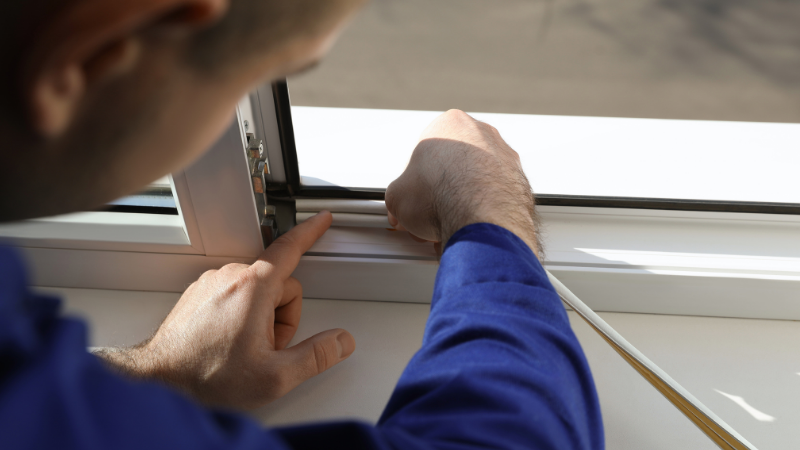
Winter on Long Island means cold weather and changing humidity, which can lead to moisture problems in your home. Our real estate agents know how important it is to protect your property from water damage to keep you comfortable and maintain your home's value.
Why Winter Moisture Prevention Matters for Your Home
When cold air outside meets warm air inside, condensation can form and cause problems if you don't address it. Moisture in hidden spots can lead to mold, wood rot, and damage to your home's structure. By taking action in winter, you can avoid expensive repairs and keep your property in good shape for the future.
Check Your Windows and Doors for Condensation
Your windows are often the first place where moisture problems become visible. When warm indoor air meets cold glass surfaces, water droplets form and can eventually damage window frames, sills, and surrounding walls. Walk through your home on a cold morning and examine each window for signs of excessive condensation.
Key areas to inspect include:
- Window sills and frames for pooling water or discoloration
- Weather stripping and seals around doors and windows
- Glass panes for fogging between double-pane layers
- Surrounding drywall or paint for bubbling or peeling
Wiping down windows regularly and using a dehumidifier can significantly reduce condensation buildup in problem areas.
Inspect Your Attic and Roof Areas
Your attic serves as a critical barrier between your living space and the outdoor elements. Poor ventilation or inadequate insulation can cause warm air to rise and create condensation on cold roof surfaces. This moisture eventually leads to mold growth, damaged insulation, and compromised roofing materials.
During your attic inspection, look for:
- Dark staining or water marks on rafters and sheathing
- Frost or ice formation on the underside of roof boards
- Wet or compressed insulation that has lost its effectiveness
- Blocked soffit vents that restrict proper airflow
Ensuring adequate attic ventilation prevents moisture accumulation and extends the life of your roofing system.
Monitor Your Basement and Crawl Spaces
Basements and crawl spaces are particularly vulnerable to winter moisture because they sit below grade level, where water naturally collects. Even small amounts of moisture in these areas can lead to mold growth, affecting your indoor air quality throughout the home. Regular monitoring helps you catch problems before they escalate into major concerns.
Warning signs to watch for include:
- Musty odors that indicate hidden mold or mildew
- Efflorescence or white mineral deposits on concrete walls
- Standing water or damp spots on floors and walls
- Peeling paint or deteriorating surfaces
Running a dehumidifier and ensuring proper drainage around your foundation helps keep basement moisture levels under control throughout the heating season.
Maintain Your HVAC System and Ventilation
Your heating and cooling system plays a vital role in managing indoor humidity levels during winter. A well-maintained system circulates air effectively, helping prevent stagnant pockets of moisture from forming in your home. Changing filters regularly and scheduling professional maintenance ensures optimal performance when you need it most.
Pay attention to exhaust fans in bathrooms and kitchens as well. These ventilation systems remove moisture-laden air from high-humidity areas and should run during and after activities like showering or cooking. Proper ventilation throughout your home reduces the risk of mold development in these commonly affected spaces.
Protecting Your Investment Year-Round
Taking time to perform winter moisture checks demonstrates the kind of responsible homeownership that pays dividends when it comes time to sell. A well-maintained home free of moisture damage and mold concerns appeals to buyers and appraisers alike. Browse our Roslyn homes for sale to see properties that exemplify quality maintenance, and contact us today to discuss how we can help you protect and maximize the value of your Long Island home.